
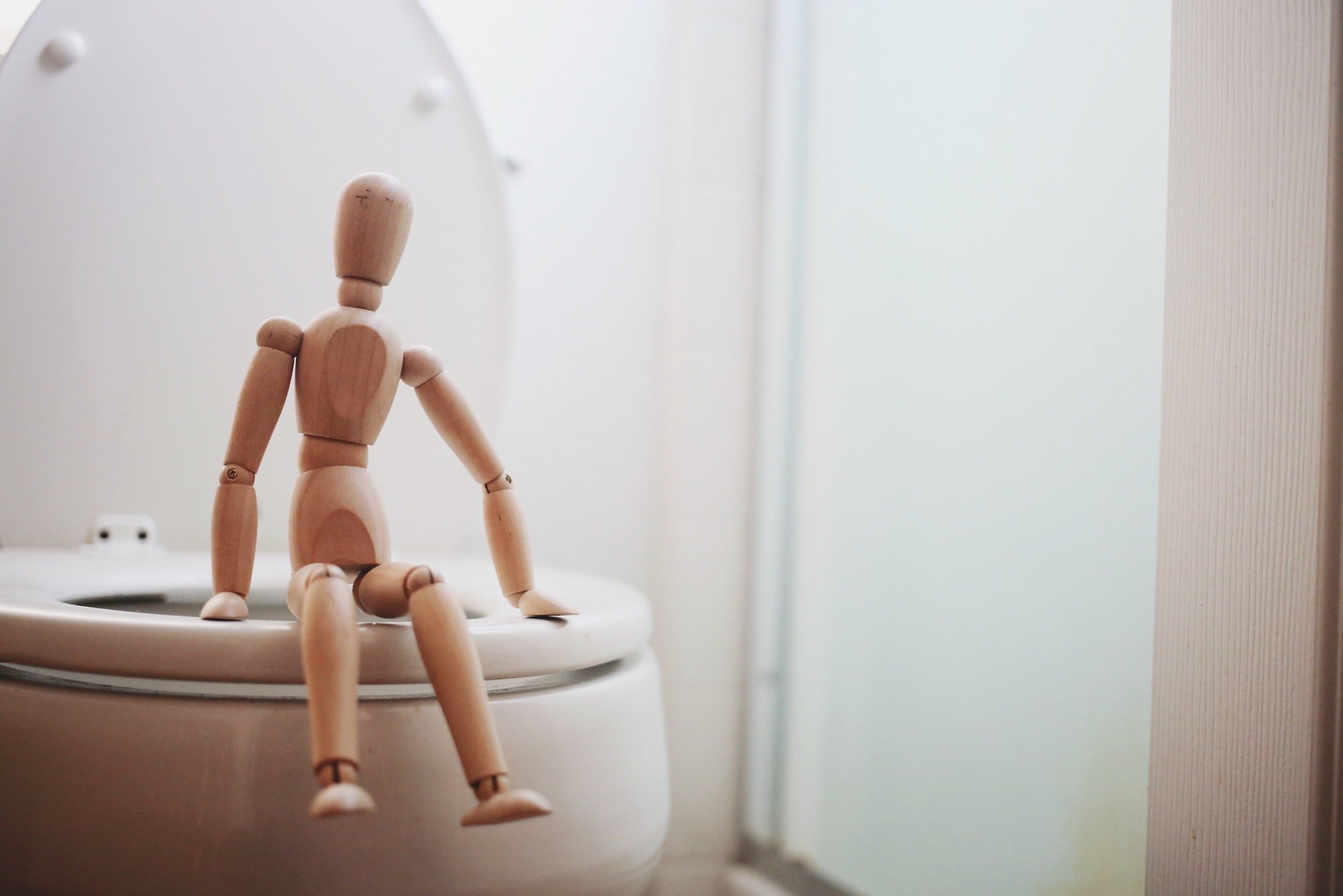
Bowel Dysfunction
Whether you’re dealing with constipation, straining, urgency or pain with bowel movements pelvic physiotherapy can help.
What I Treat
At Base Pelvic Health, I work with patients experiencing:
Chronic constipation or difficulty with bowel emptying
Straining or a feeling of incomplete evacuation
Bowel urgency or difficulty making it to the toilet in time
Bowel leakage or incontinence
Pain during or after bowel movements
Post-surgical bowel changes (including after hysterectomy or prostatectomy)
Hemorrhoids and anal fissures
How Pelvic Physiotherapy Helps
Your pelvic floor muscles are deeply involved in bowel function. Muscles that are too tight can make evacuation difficult and painful. Muscles that are too weak or poorly coordinated can contribute to urgency or leakage. The good news is that these are things we can actually assess and treat.
Through pelvic physiotherapy, I help you understand the relationship between your pelvic floor, your bowel habits, and your daily movement patterns. Treatment is hands-on, evidence-informed, and always personalized - no one-size-fits-all approach.
Bowel dysfunction often requires a whole person approach. The intimate connection between our gut and our brain means that considering a multidisciplinary approach that includes diet, hydration and the role of life stressors may be included in our care and it’s not uncommon that I suggest we include alternate care providers to compliment my treatment.
A Safe Space for an Uncomfortable Conversation
Bowel symptoms are often the last thing people want to talk about — even with a doctor. At Base Pelvic Health, I've built a practice where no question is too uncomfortable and no symptom is too embarrassing. You deserve proper care for every part of your body, including this one.
New patients are typically seen within a week. Appointments are available in person in Cambridge, ON and virtually across Ontario.
If you’re ready to get started
Frequently Treated Conditions
-
Increased desire to use the washroom to defecate (poo). You may find this impacts your day to day activities, limiting where you go and what you do.
-
When you experience leakage of stool that you are unable to control. It may be associated with urgency, physical exertion or is happening passively.
-
Hemorrhoids and anal fissures can cause pain and discomfort when toileting. Often a multidisciplinary approach including pelvic physiotherapy can help to manage these symptoms.
-
Hard stools that are difficult to pass. Having to push or strain on the toilet or sitting for >5 minutes. This may be associated with pelvic floor dysfunction.
-
Increased frequency of bowel movements, straining or pushing or pain with bowel movements associated with IBS may impact the pelvic floor musculature.
-
When the uterus, bladder or rectum have increased movement into the vaginal canal. Often described as feeling pressure vaginally and may or may not be accompanied by tissue at the vaginal entrance. This can be exacerbated by constipation or bowel symptoms.
Frequently Asked Questions about Bowel Dysfunction
-
Yes. Pelvic physiotherapy can be one of the first line treatments in constipation management, especially if lifestyle modifications haven’t resolved your concerns. Teaching proper coordination of the pelvic floor and abdominal muscles helps to improve ease of bowel movements. Pelvic physiotherapy directly assesses and treats this – alongside practical guidance on posture, breathing mechanics and bowel habits.
-
Dyssynergic defecation is the inability to coordinate the abdominal and pelvic floor muscles during defecation (pooping). It can lead to straining, incomplete emptying and chronic constipation. Pelvic physiotherapy can help!
-
I totally understand that it can be uncomfortable talking about your bowel movements with someone and you are always free to choose not to answer any questions I may ask. However, understanding your bowel routines, what your poop looks like and understanding how diet or stress may be impacting your bowels can help us get a better of picture of what’s going on. This is a judgement free zone! My biggest concern is getting to the root of your issue and helping you feel better.
-
Yes! If you’v been diagnosed with an anal fissure pelvic physiotherapy can help. Sometimes fissures are caused by increased muscle tension at the anus and poor bowel movement strategies. Typically pelvic physiotherapy is used to compliment medical care by teaching pelvic floor relaxation techniques, toileting postures and strategies to improve the ease of your bowel movements.